
On Tuesday, 17 November 2026, the Saeima (Parliament) expressed its confidence in the new Cabinet of Ministers, headed by Prime Minister Andris Kulbergs, during an extraordinary session.
The new government, Latvia’s 44th Cabinet of Ministers, consists of:
- Prime Minister and Minister for Climate and Energy Andris Kulbergs;
- Minister of Defence Raivis Melnis;
- Minister of Foreign Affairs Ģirts Jaunzems;
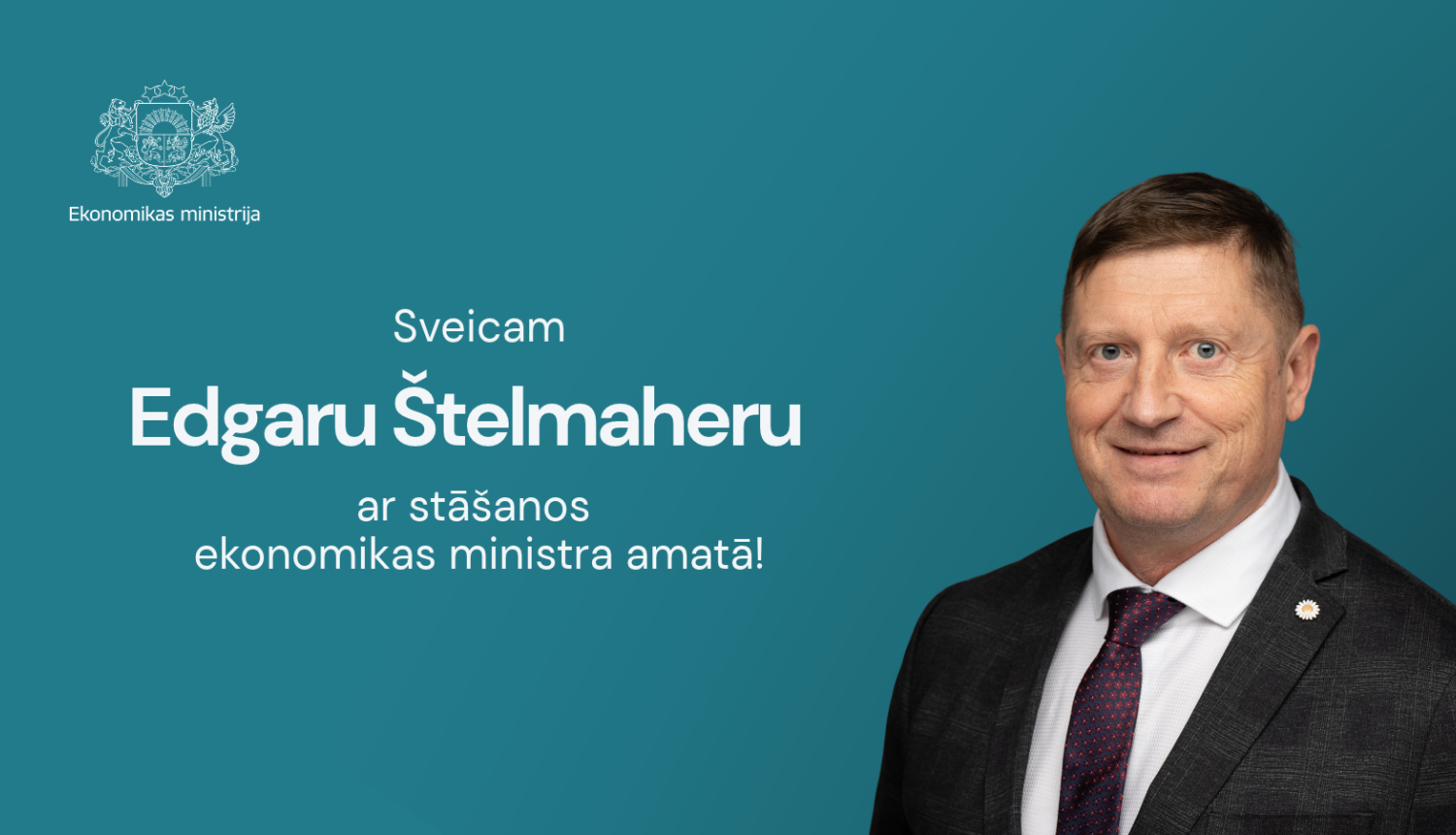
- Minister of Economics Edgars Štelmahers;
- Minister of Finance Kārlis Purgailis;
- Minister of the Interior Jānis Dombrava;
- Minister of Education and Science Česlavs Batņa;
- Minister of Culture Nauris Puntulis;
- Minister of Welfare Ilze Indriksone;
- Minister of Transport Krišs Lipšāns;
- Minister of Justice Viesturs Vitovskis;
- Minister of Health Normunds Staņēvičs;
- Minister of Smart Administration and Regional Development Edgars Tavars;
- Minister of Agriculture Edgars Putra.
The new government is formed by the political alliance “United List” (Apvienotais saraksts) and the political party “National Alliance” (Nacionālā apvienība).
The government led by Andris Kulbergs is committed to implementing a programme of change aimed at strengthening the military, national, economic and civic security of Latvia and its citizens. To achieve these objectives, the government will focus on four main areas: strengthening national security, accelerating economic growth, ensuring fiscal discipline and reducing public expenditure, and making public administration more efficient.
The new government intends to reduce the costs of public administration and ensure that public institutions operate more efficiently and explain their decisions in clear, understandable language. The government plans to reduce the bureaucratic burden on citizens and businesses and clearly define accountability for results. Public funds will be directed towards areas where they deliver the greatest benefit to society.
“The government has been approved on the eve of Latvia’s national holiday – a time that reminds us particularly of our responsibility towards our country and its people. We must recognise that society has high expectations of us, but also a long-standing distrust that has accumulated over the years and become as thick as ice. We have a duty to break through that ice. The ship of change will not break through the ice on its own. It needs an engine and a bow capable of cutting through it. The task of the new government is to be that force and prove – not through words, but through action – that we can break through the old, entrenched system and steer the ship of change all the way to its destination. We are one team, and we are all jointly responsible for our country,” emphasises Prime Minister Andris Kulbergs.
To strengthen national security, the government plans to allocate 5% of GDP to defence while promoting the development of Latvia’s defence industry. Particular attention will be paid to attracting substantial foreign investment, establishing new manufacturing facilities and facilitating technology transfer to strengthen the military capabilities of the National Armed Forces and develop a competitive, export-oriented domestic defence industry. In this way, investment in national defence will also contribute to creating new jobs, increasing exports and fostering Latvia’s economic development.
To strengthen fiscal discipline and reduce public expenditure, the government is committed to preparing the 2027 state budget based on the zero-based budgeting principle, reassessing and justifying the necessity, cost and expected results of every expenditure item. From 2027 to 2030, the government’s overall fiscal target is EUR 2.875 billion. This is to be achieved through a review of public expenditure, improved management of state-owned capital, revenue measures and a reassessment of state support programmes. The government aims to ensure that public funds are used efficiently, with financing retained for expenditure that delivers clear societal or economic benefits.
Each minister will receive a mission letter from the Prime Minister and, during the first 30 working days of the government’s term, will discuss their responsibilities and tasks with social partners. Each expected outcome will be assigned a performance indicator, a baseline value and quarterly milestones, as well as the funding required to achieve it. Information on progress and results will be publicly available.
During the Saeima’s term, the government plans to implement three consecutive phases of reform. Each phase will have its own objectives, priority tasks and expected results. The first phase, to be completed by the end of next year, aims to stabilise the state budget and begin transforming the economy, including reviewing the functions and number of public institutions. In the second phase, in 2027–2028, proven and effective solutions will be implemented across all ministries. The final phase will focus on consolidating the results of the reforms, ensuring that public administration operates faster, more simply and at lower cost.
In implementing this declaration, the government will base every decision on six core principles:
- Strengthening Latvia’s statehood, the Latvian language and culture.
- Putting security first – safeguarding Latvia’s independence and strengthening its international influence.
- Ensuring that everyone contributes to savings, starting with the government – upholding fairness and building an efficient and accountable public administration.
- Accelerating Latvia’s economic growth and improving people’s well-being.
- Preventing corruption and waste.
- Protecting human rights, strengthening families, promoting birth rates and encouraging Latvians to return to their homeland.
The government’s declaration is available on the Cabinet of Ministers’ website.
Information on the composition of the Cabinet of Ministers, as well as ministers’ professional experience and education, is available on the Cabinet of Ministers’ website.
Photographs from the extraordinary Saeima session at which MPs voted to express confidence in the Cabinet of Ministers formed by Andris Kulbergs are available on the Saeima website.